

PatientForward Portfolio: Accessible Design in Action
I created these three fictitious healthcare case studies to demonstrate how accessibility and patient‑centered design can transform outdated clinic websites into experiences that feel clear, welcoming, and trustworthy. Each project represents a different specialty and design challenge, allowing me to show my UX process, accessibility expertise, and visual design skills without using real client data.
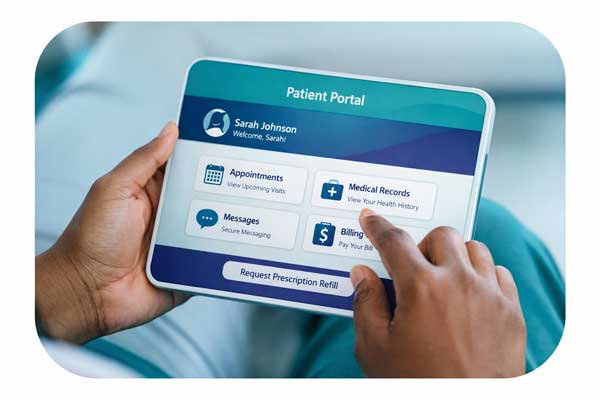
Case Study #1
Case Study #2
Twin Pines Behavioral Health is a fictional outpatient mental health clinic. Their website was text-heavy, visually chaotic, and difficult for patients in crisis to navigate.
Explore Case #2Case Study #3
Riverbend Orthopedics is a fictional specialty clinic offering surgical and non-surgical treatments. Their website was dense, jargon-heavy, and difficult for patients to understand.
Explore Case #3